
Negative carbon via Ocean Afforestation
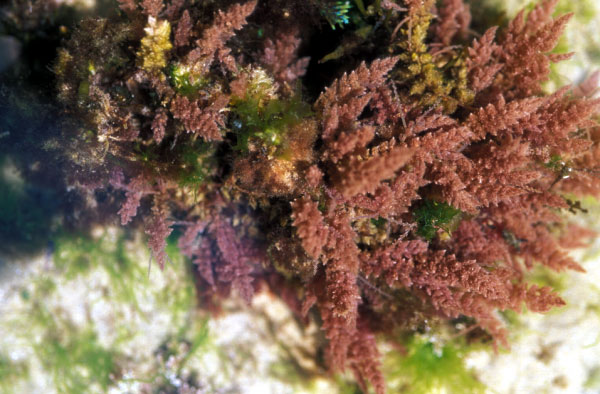
Ocean Afforestation, more precisely Ocean Macroalgal Afforestation (OMA), has the potential to reduce atmospheric carbon dioxide concentrations through expanding natural populations of macroalgae, which absorb carbon dioxide, then are harvested to produce biomethane and biocarbon dioxide via anaerobic digestion. The plant nutrients remaining after digestion are recycled to expand the algal forest and increase fish populations.
A mass balance has been calculated from known data and applied to produce a life cycle assessment and economic analysis. This analysis shows the potential of Ocean Afforestation to produce 12 billion tons per year of biomethane while storing 19 billion tons of CO2 per year directly from biogas production, plus up to 34 billion tons per year from carbon capture of the biomethane combustion exhaust.These rates are based on macro-algae forests covering 9% of the world’s ocean surface, which could produce sufficient biomethane to replace all of today’s needs in fossil fuel energy, while removing 53 billion tons of CO2 per year from the atmosphere, restoring pre-industrial levels. This amount of biomass could also increase sustainable fish production to potentially provide 200 kg/yr/person for 10 billion people. Additional benefits are reduction in ocean acidification and increased ocean primary productivity and biodiversity.



Marine Agronomy Group, CAFNRM, UH-Hilo
200 W. Kawili st., HI 96720, USA
Contact: Marine.Agronomy.Group@gmail.com
Funding for this web portal is provided by the World Wildlife Fund and the University of Hawaii-Hilo.