
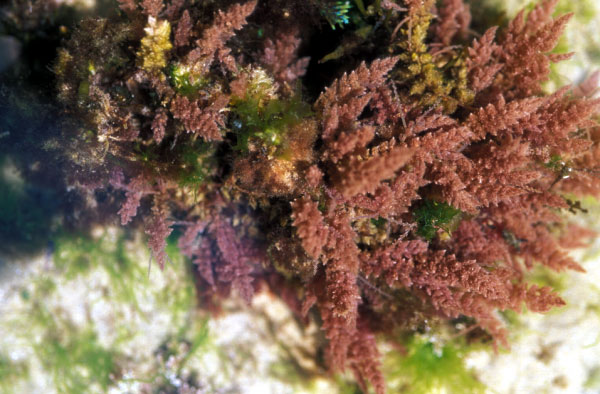
Kelp is the climate-friendly crop that could
In 2018, seaweed farmers working with Atlantic Sea Farms harvested 30,000 pounds of kelp and the fledgling seaweed aquaculture industry was largely viewed as a “side hustle” that allowed Maine lobstermen to generate additional income in the off-season.
“There was a market opportunity that intersected with an economic development opportunity to help diversify fisheries in the face of climate change,” explained Briana Warner, CEO of Atlantic Sea Farms. “Two of the biggest importers of seaweed are Costco and Trader Joe’s so it’s not like this is a niche segment [but] what hasn’t been done before is having a clean, fresh product grown here in the United States.”
Although global seaweed aquaculture production has increased from 10.5 million tons in 2000 to 32.3 million tons in 2018, according to the latest data from the Food and Agriculture Organization of the United Nations, almost 90 percent of those farms are located in Asia. Atlantic Sea Farms, which bills itself as the first commercially viable seaweed farm in the United States, is working to change that.



Marine Agronomy Group, CAFNRM, UH-Hilo
200 W. Kawili st., HI 96720, USA
Contact: Marine.Agronomy.Group@gmail.com
Funding for this web portal is provided by the World Wildlife Fund and the University of Hawaii-Hilo.